The Best for your Pet in the Territory
Northern Territory Veterinary Services
  • Home
  • Katherine Veterinary Clinic
    • About Us
    • Small Animal Services
    • Equine Services
    • Livestock Services
    • Behaviour Services
    • Katherine Vets
    • Katherine Nurses
  • Alice Veterinary Centre
    • About Us
    • Small Animal Services
    • Equine Services
    • Livestock Services
    • Behaviour Services
    • Alice Vets
    • Alice Nurses & Reception
  • Aboriginal Community Veterinary Services
    • About Us
    • ACVS Services
    • ACVS Resources
    • ACVS Workshops
    • Volunteering
  • Remote Services
  • Pet Health Information
  • Reproductive Services
    • Equine Reproductive Services
  • Contact Us
  • Forms

Ehrlichia and your Dog

30/3/2022


What is Ehrlichia? 

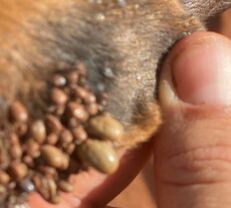
Ehrlichia is a type of bacteria that infects the white blood cells of dogs. Ehrlichia is spread between dogs by the brown dog tick. There are several different types of Ehrlichia (named after the person who discovered it - Mr Ehrlich). The type we have in Australia is Ehrlichia canis.. 

Ehrlichia canis
infections can be very severe and make some dogs very sick or even kill them. Ehrlichia canis particularly infects the cell called platelets that are involved in clotting. Additionally the disease causes an inflammatory storm around the body. Because they hide inside the blood cell, it can make it very hard to kill the bacteria. 
Picture

Should I be concerned for my dog? What are the Symptoms?

Ehrlicihia is a very serious illness affecting the clotting factors, immune system and the kidneys of the dog. Without treatment, many dogs will die from this disease.
There are three stages to this disease and there is some cross-over between the three stages.

Early symptoms can include:
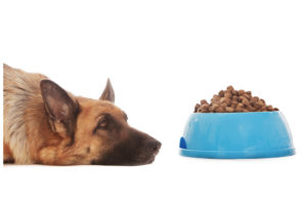
  • Inappetence (some dogs are off food for only a few days)
  • Weight loss (despite being fed normal to increased amounts)
  • Fever (in some cases)
  • Lethargy
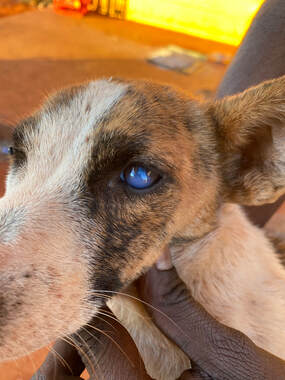
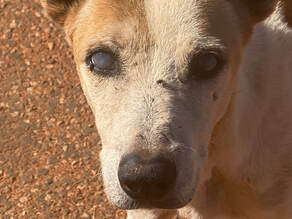
  • Sore eyes
  • Cloudy eyes
  • Abdominal discomfort
  • Vomiting and/or Diarrhoea
  • Slight Cough
  • Sore Joints
  • Nothing at all

Subclinical / Carrier Phase
  • ​Your dog appears fine but has some changes in its blood that remains undetectable unless a complete blood count is run. These blood changes can make surgery risky.

End Stage (a few months to many years into the disease)
  • Kidney Failure
  • Shut Down of the Immune System
  • Death

The early and subclinical stage is generally easily treated, but the end stage disease can be very hard to treat.
Picture
Picture

How can I tell if my dog has Ehrlichia?

A simple blood test is all that is required to see if your dog has Ehrlichia. A complete blood count is performed and if there is indication of low clotting factors known as platelets, then there is a strong chance that your dog has Ehrlichia and treatment should be started. The blood sample will then be sent for confirmation at special labs. 
Picture

Can Ehrlichia canis be Treated?

Yes. Ehrlichia can be treated in the early and subclinical stages with the antibiotic doxycycline. End stage disease can be very difficult or near impossible to treat. There however have been some new experimental treatments for the end stage disease and hopefully in the future we will have better options.

It is important that a full course of medication is given as if some bacteria is left behind, then the infection can recur

Can my dog catch it again?

Unfortunately yes. There has been cases where dogs have been re-infected. So prevention is really important

Can people catch this disease?

It is very unlikely for people to catch this disease. There have been no human cases in Australia or South East Asia of this strain. 

Is there a vaccine for Ehrlichia?

There are no vaccines for Ehrlichia. 

How do I prevent this disease?

Ehrlichia is quickly transmitted by ticks. It only takes as little as 3 hours of tick feeding for Ehrlichia to be transmitted from the tick to the dog. Additionally, recent evidence shows that Ehrlichia can be passed from the adult ticks to baby ticks, so once it is in an area, the ticks will continue to transmit this disease. Hence prevention is key to stopping this disease.

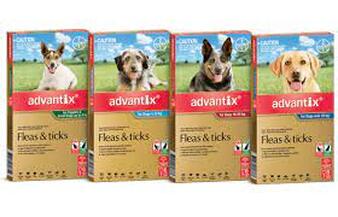
Primary preventative - It is important to use a product that repels ticks. Two products have shown to be extremely effective in preventing tick bites and Ehrlichia are SERESTO COLLARS and ADVANTIX SPOT ON. They are over 90% effective in preventing Ehrlichia
Picture
Picture
Secondary preventative - It is recommended that a back up treatment is used that kills the ticks. Products such as Bravecto and Nexgard are excellent products that kill the tick but take 5 to 24 hours to kill them. So these are not great as a primary product, as they are only about 70% effective.  But when combined with a primary product, it reduces the risk of your dog contracting Ehrlichia even further. 

How did it get here?

This disease came from overseas. In mid 2020, Ehrlichia was discovered in Kununurra, WA for the first time. Within a week of its discovery, through the work of our vets, it was found to be in Katherine and Central Australia. And within months, a true picture emerged showing it expanding throughout northern WA and the NT. We were able to look back at cases and believe it may have been around in 2018, but likely not prior to that. We now know we have the South East Asian strain of this disease and somehow it was introduced into Australia. The strain we have is particularly severe, but so far we have seen in the early stages that it can be treated. 

Our clinics in Katherine and Alice Springs continue to investigate treatment options for this horrible disease.

Parvovirus Outbreak

20/6/2019

0 Comments


Outbreak Warning - Alice Springs & Katherine

June 2019 - Recently at Northern Territory Veterinary Services in Katherine and Alice Springs, we have seen a large outbreak of canine parvoviral diarrhoea including deaths of some animals. We have seen several cases in the past week, and there would be many more that do not make it into the clinic. This is a tragedy, as this life threatening disease is easily prevented in most cases by simple vaccination.

Parvoviral infection must be considered as a possibility in any young dog with vomiting and/or diarrhoea, or any adult dog that is overdue for vaccination with similar symptoms. Please note the new viral strain 2c can infect dogs that have previously been vaccinated but are overdue. We urge all dog owners to get their animals vaccinated for this disease. Prevention is far better and cheaper than treatment for this horrible disease. ​Regular vaccination ensures that your dog is protected.
Additionally, it is possible for cats to contract the 2c strain, so we urge owners to ensure their cats are up to date with their vaccinations too. 

Please note: Parvovirus poses no viral risk to humans, horses and livestock
Picture
Parvovirus can affect all puppies. Please Vaccinate

What is Parvovirus?

Canine parvovirus is a highly contagious virus that causes life threatening bloody diarrhoea. In the majority of cases, the disease is frequently fatal if treatment is not sought. Parvovirus is one of the largest causes of severe illness and death for puppies and adolescent dogs in Australia.

​Parvovirus attacks the rapidly dividing cells of the gut lining and immune system resulting in bloody diarrhoea and immunosuppression. The infected dog then becomes severely dehydrated through water loss and septic from bacterial superinfections. Parvoviral infection must be considered as a possibility in any young dog with vomiting and/or diarrhoea. It should also be noted that sometimes the dog may not show signs of vomiting or diarrhoea, and may just be inappetent and flat.​ If unsure, it is always better to have your dog checked as early treatment increases the chance of survival.

How is it spread?

The virus multiplies in the dog into the millions and is shed into the environment through the vomit and diarrhoea of the dog. Wherever the vomit and diarrhoea lies, the ground becomes contaminated. The virus can survive in the environment for up to 7 months, even after the vomit or diarrhoea has been cleaned away. Only bleach or special disinfectants can destroy the virus in the environment.

​It is then, very easy for someone to walk through these areas and pick the virus on their shoes or clothing and spread it further. Dogs walking through these contaminated areas can pick it up on their feet and when they lick or clean their feet, they then can become infected with this virus.

How long is it between exposure to the virus and signs of infection?

It takes about 4 to 7 days from the time a dog is in contact with the virus to full signs of infection. Please note that during the first 4 days of incubation, dogs can still spread the virus.

Can Parvovirus infection be treated?

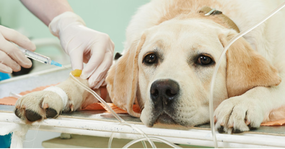
Fortunately, parvovirus in dogs is a treatable disease and if caught early, can be cured, especially with the advent of a number of new treatments, but this can be expensive. In our clinic, we have a greater than 95% success rate with intensive treatment, but the dog usually has to be hospitalised for several days for intensive care and requires multiple medications.

Home treatment for parvo infection is a bad idea when compared to hospitalisation and intensive care. The death rate rises substantially, and the profuse diarrhoea and vomiting will lead to heavy viral contamination in the home. ​Without proper treatment, a dog can become weak, septic and eventually will die. ​

What is special about the Parvovirus 2c infection?

This is a new strain of parvovirus that has been seen in Australia and is particularly nasty. Reports have indicated that adult dogs that have previously been vaccinated but are overdue have been infected. The vaccine companies have advised that each of their parvovirus vaccines do cover for this new strain. Regular vaccination will ensure that your dog is protected.

What can I do to disinfect the floors in my house?

Not many disinfectants will kill the virus, except for bleach and special disinfectants. If using bleach, mix 1 part bleach to 30 parts water and mop the floors. Allow 30 minutes contact time to ensure the virus has been destroyed.

Once better, will my dog be a carrier of parvovirus for life?

Once better, your dog will no longer be infected with the virus, but they should be considered contagious for approximately a month as they may have virus particles still on their fur and skin. They will no longer shed the virus. It should be noted that they will be protected for life against future infections with parvovirus, but it is still important to vaccinate your dog for other life threatening diseases.

I am worried about my house, is it safe to bring a new dog into my house or yard?

The virus can survive in the environment for up to 7 months. So if you are getting a new dog, and there has been no parvovirus in your yard for more than 7 months, it can be considered safe. However, you should still vaccinate your dog to ensure that they are protected, as virus can still be carried on your shoes and clothing if you were in contact with the virus elsewhere.

Dr Alex Burleigh BSc(Vet) BVSc
Dr Alex Burleigh is based in Katherine, NT at Katherine Veterinary Clinic, part of Northern Territory Veterinary Services. He is a part owner and one of the senior veterinarians at both Katherine Veterinary Clinic and Alice Veterinary Centre. Dr Alex Burleigh is a published author with works appearing in veterinary texts, scientific journals and online websites. He consults regularly at both practices.
0 Comments

Cruciate Rupture & TPLO - Everything you need to know

19/3/2019

1 Comment

 
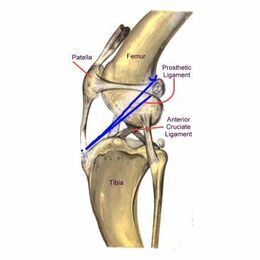
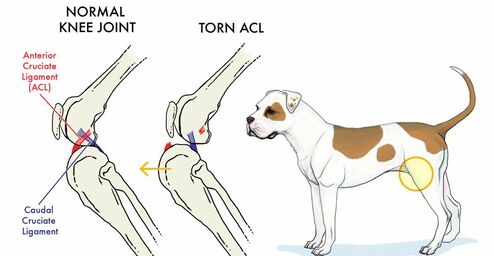
The knee is a complex joint composed of several key structures. It includes the femur (thigh bone), tibia (shin bone), patella (kneecap), and the small, bean-shaped fabellae at the back. Between the femur and tibia are the medial and lateral menisci—cartilage pads that serve as cushions. A network of ligaments secures the joint, enabling proper movement while preventing excessive or unnatural bending.
Inside the knee joint, two cruciate ligaments cross each other: the cranial cruciate ligament (equivalent to the anterior cruciate ligament, or ACL, in humans) and the caudal cruciate ligament (equivalent to the posterior cruciate ligament in humans). Many people recognize the term ACL due to its association with sports injuries. These ligaments connect the femur and tibia in a diagonal pattern, forming an X shape—hence the name "cruciate." The cranial/anterior cruciate ligament plays a crucial role in stabilizing the knee by preventing the tibia from shifting forward beneath the femur. When it ruptures, the knee becomes unstable and begins to slip—see the video below.

A normal knee

How can I tell if my dog's knee is injured?
A ruptured cruciate ligament is the most common knee injury in dogs. In fact, sudden hind leg lameness is often due to a torn cranial cruciate ligament rather than another cause. Many owners notice that their dog suddenly experiences severe pain, sometimes to the point of barely being able to bear weight on the affected leg. While the lameness may seem to improve after a week or two if left untreated, the knee will remain swollen, and arthritis will develop rapidly.
The key to diagnosing a ruptured cruciate ligament is identifying an abnormal knee movement known as the "drawer sign." This movement does not occur in a healthy knee. The second video clip demonstrates this diagnostic test.

A knee with a complete rupture of the cranial cruciate ligament

What Happens if the Cruciate Rupture is Not Surgically Repaired

Without an intact cruciate ligament, the knee becomes unstable, leading to abnormal wear on the bones and meniscal cartilage. Over time, the joint undergoes degenerative changes, with bone spurs (osteophytes) forming, causing chronic pain and reduced mobility. While surgery can help stabilize the joint and slow this progression, it cannot reverse the damage already done.
  • In some patients, osteophytes can begin forming as early as one to three weeks after a cruciate ligament rupture. While all dogs will eventually develop degenerative joint changes, large-breed dogs tend to struggle more with the condition. Initially, a dog may seem to improve after several weeks, but full, long-term recovery back to normal function without intervention is unlikely.
  • A study followed a group of dogs for six months after a cruciate ligament rupture. By the end of the study, 85% of dogs weighing less than 15 kg had regained near-normal or improved function. In contrast, only 19% of dogs over 15 kg achieved similar recovery. Regardless of size, both groups required at least four months to reach their maximum level of improvement.
Picture
Picture
What Happens in Surgical Repair?

There are three different surgical repair techniques commonly used today.

Extracapsular Repair

This procedure is the traditional surgical approach for repairing a cruciate rupture. It involves creating an artificial ligament on the outside of the joint. While this was once the primary method of repair, it is now understood that, regardless of the material used, the artificial ligament begins to loosen within two months.

In this procedure, the first step is to open and inspect the knee joint—an essential part of any knee surgery. The torn or partially torn cruciate ligament is then removed, and any significant bone spurs are trimmed using a specialized instrument called a rongeur. If the meniscus is damaged, the affected portion is excised. To stabilize the joint, a strong suture is looped around the fabella behind the knee and threaded through a hole drilled in the front of the tibia. This tightens the joint, preventing the abnormal drawer motion and effectively taking over the function of the cruciate ligament.

  • After surgery, the dog may keep the leg lifted for about two weeks. However, knee usage gradually increases over the following two months, with most dogs eventually returning to normal function..

  • After surgery, the dog typically requires 8 to 12 weeks of restricted exercise, including no running and only being taken outside on a leash, even in the backyard.

  • The suture used in surgery will gradually loosen and break within 2 to 12 months, at which point the dog's own healed tissue will support the knee.

Picture
Tibial Plateau Leveling Osteotomy (TPLO)
This procedure takes a fresh approach to knee joint biomechanics and was initially designed for larger breed dogs. However, it is now recognized as the preferred surgical option for both large and small breeds. Compared to extracapsular repair and TTA, this is the only procedure that significantly slows the progression of arthritis in most dogs.
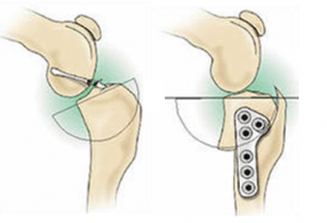
This procedure alters the angle at which the femur applies weight to the flat "plateau" of the tibia. By cutting and rotating the tibia, the dog's natural weight-bearing forces help stabilize the knee joint. As with other knee surgeries, the joint must be opened, and any damaged meniscus removed. The remnants of the cruciate ligament may be left intact or removed, depending on the extent of the damage.
This surgery is complex and requires specialized training in the technique. Multiple radiographs are needed to accurately calculate the osteotomy angle (the cut in the tibia). While this procedure is more invasive than extracapsular repair and typically more expensive, it offers significantly superior results.
  • Most dogs typically begin touching their toes to the ground within 10 days after surgery, though in some cases, it may take up to three weeks.
  • As with other surgical techniques, exercise must be restricted for 8 to 12 weeks.
  • Most dogs regain full function within 3 to 4 months after surgery and can gradually return to normal activity.
  • Athletic dogs experience the best outcomes with this surgery.

Tibial Tuberosity Advancement (TTA)
The TTA (Tibial Tuberosity Advancement) procedure also utilizes knee biomechanics to enhance stability but does so by altering the angle of the patellar ligament. This is achieved by cutting and repositioning the tibial crest, where the patellar ligament attaches, and securing it with a titanium or steel "cage," "fork," and plate, along with bone grafts to maintain the new alignment. Like the TPLO, this procedure involves cutting bone and requires specialized equipment, including metal implant plates. Recovery is similar to that of the TPLO, but the TTA does not slow the progression of arthritis as effectively.

Which Procedure is Better?

​The TTA and TPLO procedures are more invasive, costly, and require specialized equipment and trained personnel. They also carry a higher risk of complications. Are they worth it? Despite the differences in surgical approach, studies suggest that one-year post-operative outcomes are similar across all three procedures—extracapsular repair, TPLO, and TTA. However, arthritis progresses much more rapidly with the extracapsular technique and TTA compared to TPLO. In the long run, joint health is significantly better with TPLO, and some evidence suggests that dogs may return to normal function more quickly with this procedure.

How is the TPLO performed?
​
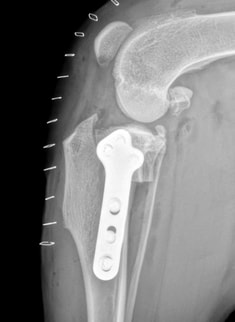
Before surgery, an X-ray of the stifle is taken to measure the tibial plateau angle, the slope at the top of the shin bone. The goal of the procedure is to reduce this angle, eliminating dynamic joint instability (cranial tibial thrust). This is typically achieved by adjusting the angle to between 4 and 10 degrees, similar to that of the human knee.
Surgery usually begins with an examination of the inside of the stifle joint, either arthroscopically or through open joint surgery, to assess the meniscal cartilage for damage. Any damaged cartilage must be removed to restore normal, pain-free function.
The TPLO procedure itself involves using a specialized curved saw blade to make a precise cut on the medial (inner) surface of the tibia. The cut portion is then rotated to achieve the desired tibial plateau angle. To stabilize the new alignment, a stainless steel bone plate is secured to the bone, ensuring proper healing and long-term joint stability.
Now that you know a bit about TPLO, let’s review some questions about the procedure.
Picture
Q: Does My Dog Really Need Surgery?  I Read That They’ll Do Just Fine Without Surgery.

A: Published studies indicate that about 15% of dogs can regain reasonably good clinical function without surgery, with most of these cases being small breeds weighing under 7 to 10 kg. Dogs that do recover normal function typically do so within 4 to 6 weeks after the initial onset of lameness. However, for the majority of dogs, surgery is the only reliable way to restore proper function—braces, medications, herbs, physical therapy, or simply hoping for improvement are not effective alternatives.

Q: Which Patients Will Benefit From TPLO?

A: Although TPLO can be performed on almost any patient, including small dogs and cats, it is particularly beneficial for larger, active breeds. While opinions among surgeons may vary, most agree that smaller dogs tend to have similar outcomes regardless of the surgical technique used. In general, dogs weighing over 20 kg (45 pounds), especially those with high activity levels, experience the greatest benefits from TPLO.

Q: Why Is TPLO So Costly, Especially When Compared To Other Cruciate Repair Surgeries?

A: TPLO requires specialized equipment, including a motorized bone saw with a uniquely designed curved blade, a stainless steel bone plate, and 6 to 9 bone screws. The procedure also involves taking 4 to 6 X-rays and demands extensive training for the surgeon. Each surgery requires a significant time investment, with preparation, operation, and recovery taking approximately 2 to 4 hours per patient.

Q: What Aftercare Is Required?

A: Surgeons take different approaches to post-operative care, and there is no definitive evidence to determine the best method. Some recommend strict rest, limiting stair climbing, and kenneling when unsupervised. Others encourage controlled leash walks and moderate exercise, while some advocate for immediate post-surgical physical rehabilitation. Regardless of the approach, follow-up X-rays are necessary at various stages to monitor bone healing. Once the bone has fully healed, exercise can be gradually increased to normal levels.

Q: What About Possible Complications?

A: TPLO is a major surgical procedure, and complications can occur. Research suggests that complication rates may be slightly higher than with less invasive surgeries, though factors such as patient characteristics and surgeon experience also play a role. Most complications are minor and can be managed without additional surgery, leading to successful outcomes. These include issues like infections and patellar tendon inflammation.
More serious complications, such as plate or screw failure and fractures of the tibia or fibula, are uncommon. There have also been rare cases of bone cancer developing months or years after surgery in the operated area. However, the connection between TPLO and bone cancer remains controversial, as the upper tibia is a common site for this cancer in dogs, even in those without prior surgery or cruciate issues. Whether TPLO increases this risk is unclear.
One of the most frequent post-operative complications is not directly related to TPLO itself. Meniscal cartilage tears are a common consequence of an unstable joint and may be present at the time of surgery or develop later. Up to 11% of dogs experience new meniscal tears post-surgery, similar to rates seen in humans undergoing knee surgery. These dogs often recover well after surgery but may suddenly become lame again weeks or months later due to a meniscal tear.
​
Q: Is TPLO Really Better Than Other Surgical Options?
​
A: If your dog is large, young, and active, the answer is likely yes—TPLO is the best option. However, the supporting research has not always been conclusive. For the first 20 to 25 years after TPLO was developed, surgeons observed significantly better outcomes in large dogs compared to other surgical techniques. Yet, early research data didn’t seem to confirm these findings.One major factor was Dr. Barclay Slocum’s decision to patent the TPLO technique and equipment, which limited access to the procedure and subsequently restricted research opportunities. Additionally, veterinary research is inherently more limited in scope compared to human medicine. While studies in the New England Journal of Medicine often involve tens or even hundreds of thousands of human patients, veterinary studies are typically much smaller—considering a study with 50 animals to be substantial. The reason? Funding. The financial resources available for veterinary research are vastly smaller than those in human medicine.
In recent years, however, research has begun to validate what surgeons have long observed: dogs undergoing TPLO recover faster, develop less joint arthritis, and achieve better long-term function compared to other surgical techniques. Current evidence indicates that TPLO provides superior outcomes over TTA and extracapsular repair. While definitive conclusions are still being drawn, it appears that other similar procedures, such as CWO, CBLO, and TTO, may also offer similar benefits.
         
Updated 27/12/2019
1 Comment

Cane Toad Poisoning in Dogs

7/9/2018

0 Comments

 
The "Build-Up" is coming to the top end, and soon the tropical storms and cane toads will be upon us.
​
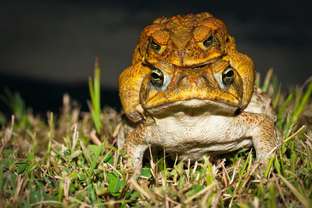
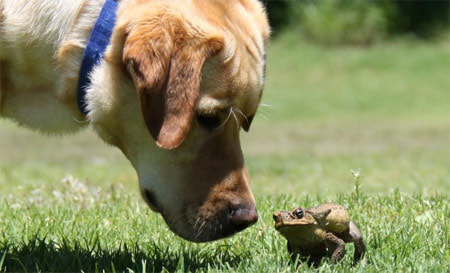
Cane toads pose a serious threat to our pets with poisonings amongst dogs now very common. Over the past two decades in Katherine, we have seen the establishment of a strong cane toad population, and new pets to the Northern Territory may not be familiar with this pest.
So what makes them so toxic? 

Cane toads (Bufo marinarus) carry several toxins in their parotid and verrucous glands including bufotoxins, bufogenins and amines – some really nasty stuff. When a dog bites down on a toad, these toxins are released from these glands and they pass very quickly through the surface of the mouth. The toxins can affect the heart and nerves. One full grown toad has enough toxin to kill at least 100 medium sized dogs.
​
Picture
What are the Signs of Cane Toad Poisoning?

​
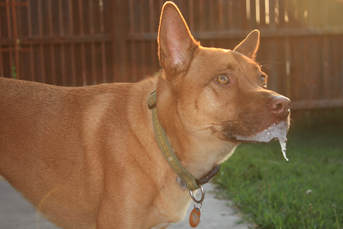
Signs of cane toad poisoning in your dog will initially appear as profuse salivation (frothing), head shaking and pawing at the mouth. If it is not treated or your dog receives a large enough dose, it can progress to vomiting, weakness, seizures, and eventually death. This all can happen within an hour.


What Can I do?

It is not all bad news. If your dog is exhibiting only mild signs such as frothing at the mouth, the most important thing you can do is to wash their mouth out for several minutes with water and rub it with a cloth. Make sure you don’t point the hose to the back of their throat or you can drown your dog, so hold their head down. IF, however, your dog starts to have seizures, seek veterinary help immediately!!! Generally the outcome is good with early intervention.

​
Picture
Be careful, there are a few dodgy urban myths about toad poisonings. The most concerning one is that giving the dog activated charcoal can help. This is not true because the toxin is absorbed through the roof of the mouth. The charcoal will have no effect on the absorbed toxin. If the dog is shaking or having seizures and is fed charcoal, the dog may accidentally inhale the charcoal and this will cause dangerous breathing problems.

​It is recommended that once treated, your dog be checked over to ensure there are no after effects. If you are a long way from a vet, you should still call one as soon as possible to get any further advice.
​
What if my dog swallows a cane toad?

​
The good news is that stomach acid deactivates the cane toad toxin. So if your dog has swallowed a cane toad whether it is fresh or dried, unless the toxin touched the inside surface of his/her mouth, they will be fine (unless the toad is off - then there could be a case of food poisoning.)
Picture
Last but not least..
​
One last bit of advice… if you are unfortunate enough for your dog to go through a poisoning episode, after your dog recovers, please get rid of the toad. Preventing contact with toads is often difficult. Some animals will learn to avoid them as the poison doesn’t taste very nice, others will keep going back. One colleague in North Queensland had the same dog come in four times in the one night for toad poisoning.  So, if you see your pet playing with a toad you should remove the toad immediately, and observe your pet closely for at least the next hour. Drinking bowls should be placed up off the ground and checked and changed regularly or a safer alternative is small automatic waterers mounted off the ground.

​
Lets just hope they find a way to get rid of these toads soon.

Dr Alex Burleigh BSc(Vet) BVSc
Dr Alex Burleigh is based in Katherine, NT at Katherine Veterinary Clinic, part of Northern Territory Veterinary Services. He is a part owner and one of the senior veterinarians at both Katherine Veterinary Clinic and Alice Veterinary Centre. Dr Alex Burleigh is a published author with works appearing in veterinary texts, scientific journals and online websites. He consults regularly at both practices.
0 Comments

Pre Anaesthesia & Surgery FAQ

20/2/2018

8 Comments


By Dr Fiona Pearson

​So your pet is booked in for a general anaesthetic, I’m sure you now have a few questions about what that means and what you need to do. There’s no need to be too worried, hopefully you can find all your answers below but if not don’t hesitate to give the clinic a call to ask any questions that you need.
Picture

Is it the same as when I have an anaesthetic?

​Similar yes! Many of the anaesthetics we use in animals are very similar if not the same to those used in people. There are differences in the protocols used but the concept is the same. 

What does an anaesthetic involve?

​An anaesthetic is when drugs are used to make your pet unconscious and unaware of what is happening. First we give your pet some drugs to make them relaxed and provide some pain relief in preparation for the procedure. The particular drugs 
and protocol used will then depend on what procedure your pet is getting. For longer procedures, your pet then gets a drug straight into the vein that makes them fall asleep so we can place a tube down their wind pipe to give them a gaseous anaesthetic. Shorter procedures just involve an injection into the muscle. ​

​Does my pet need to be fasted?

​Yes. Your pet can have dinner as normal the night before but after they’ve eaten take their food away so they don’t
Picture
have access to any food over night. Adult dogs should have no breakfast in the morning, but cats and young animals should have a small feed (unless your vet advises otherwise). And yes this includes treats too; we need them to have an empty stomach for the procedure to decrease the risk of regurgitation. They should still have access to water until 1 hour before they come in. This doesn’t however apply to rabbits or other small mammals which should not be fasted. 

Should I bath them before?

​Ideally your dog should have a bath sometime in the few days before surgery especially if they love rolling around in the mud. We want your pet as clean and dry as possible when they come to us to decrease the bacteria around that can potentially cause infection. Cats are usually great at keeping themselves clean so they don’t normally need a bath, phew!

What if they’re on long term medication, do I give this as normal?

Picture
​Your vet may or may not want you to give your pet its usual medication just before the procedure depending on what it’s on. Therefore if your pet is on long term medication make sure you check with your vet before if they want you to give it or not. 
Picture

I’ve been asked about pre-anaesthetic tests, why does my pet need these?

​We always recommend pre-anaesthetic blood tests to screen for some potential diseases that could make your pets procedure more risky. A really common disease up here is tick fever (Babesia and Anaplasma). Tick fever can 
decrease your pet’s red blood cells and or platelets and often they haven’t shown you any signs that they are sick! If your pet has tick fever, we can detect this with our pre-anaesthetic blood test and we would then recommend 
delaying the procedure if possible to treat this first so that your pet is a safer candidate for surgery. Depending on the age and health of your pet more extensive blood tests may be recommended as well as urine tests to evaluate your pet’s organ function prior to administering the anaesthetic drugs. Different drugs have different effects on your pets organs, particularly their liver and kidneys so knowing of any pre-existing disease allows us to design the safest possible protocol. ​​

It is the morning of their procedure, what do I do?

​We admit patients for procedures between 8am and 9am so bring your pet down between these times. Make sure you dog has been for a toilet walk before hand and be prepared to stay for a little while when you drop your pet as the nurses will have a couple of questions for you. It’s really important that if your pet has been unwell at all in the days leading up to the procedure that you let us know. Sometimes we might feel it is safest to delay the procedure if your pet has been unwell. 

Is it safe?

​There is a very small inherent risk associated with any anaesthesia, just as there is with people. The more details we have about your pet’s health on the day of the procedure the safer we can make it for your pet. Having said that the vast majority of procedures go really well and you shouldn’t be spending the whole day worrying. Monitoring your pet during the anaesthesia allows us to adjust what we’re doing to your pet’s individual needs.

When will I hear how the procedure has gone?

​We usually ask that you give us a call between 2-4pm to check how everything has gone and organise a time to come back in and pick up your pet. 
8 Comments

Hookworms - A Hidden Killer

27/3/2017

2 Comments


Warning - Hookworm outbreak

At Northern Territory Veterinary Services, we are seeing many dogs in the NT getting sick from a relatively easily preventable illness. Pups are in particular danger of dying from this disease. What’s an even more concerning development is that we recently are seeing adult dogs succumbing to this horrible illness.  What is it? Hookworms. Yes! Hookworms. There are several worms that can cause health problems but recently hookworms have been rearing their ugly heads. We have seen an unusual number of worm infested dogs, especially puppies. Regular worming is easy to forget but it is so important to keep your pets healthy, both in the young and old.
​
So what’s so unusual about this wet season? Well, we see a lot of these infections in the wet as the worms require water droplets to hatch out. So this wet season being particularly big and particularly long, we are seeing heavier burdens and greater number of animals affected.
Picture
​What is hookworm?
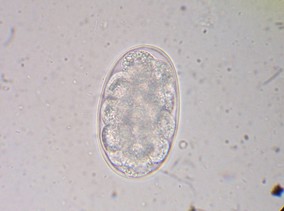
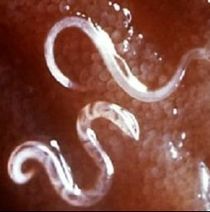
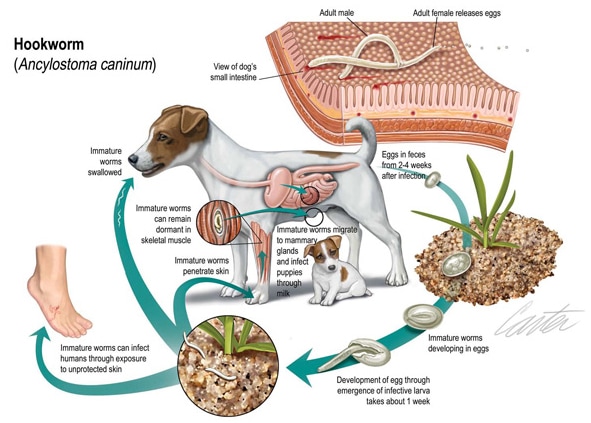
The hookworm is a particularly nasty parasite (about 3mm long) that hooks onto the inside of the intestinal wall and sucks out a large amount of blood to feed.  Puppies can become infected before birth, through the milk when feeding from their mum, or through the skin from the environment. This worm causes blood loss, weight loss, pain, failure to thrive and in severe cases, death.  Unfortunately, hookworm infestation is usually first noticed when the pup is already very sick with very pale gums, lethargy or bloody diarrhoea. Adult dogs are more resistant but we do diagnose infections in them too, particularly when the environmental conditions are right. They can cause a more slow lingering illness in adult dogs.
Picture
Picture
Can I catch it?
Hookworm is transmissible to humans. Personal hygiene is always important;- wash your hands after handling your dog and definitely before eating, Hookworm larvae can also hatch out in the yard and then burrow through the skin and cause itching. Children are particularly at risk. 
So how do we do we stop the cycle of infection?
Prevention is the best cure, and regular worming of all your dogs throughout their lives will help stop the vicious cycle of re-infection.
Puppies must be wormed from 2 weeks of age and every 2 weeks until they are 12 weeks old then every month until 6 months of age.  From then on, worming every 3 months is adequate, unless otherwise advised. Talk to one of our veterinarians for further advice. Over time, with regular worming, your dogs can act as vacuum cleaners for the yard and clean up the environment.
Cats don’t get hookworm but they are at risk of other intestinal worms, and so they should have a regular worming routine as well. Luckily for those slightly less sociable puddytats, there are effective top spot all wormers available now from vets. Phew!
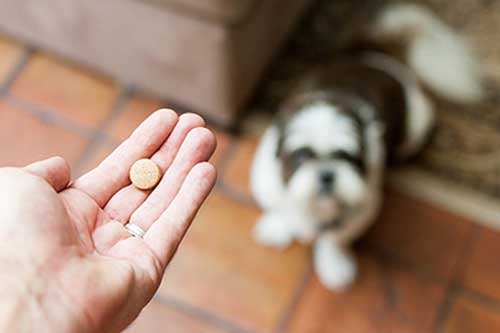
​Treatment? Pop a pill – it’s that easy!
Always use a good quality broad spectrum wormer, and make certain the animal is weighed before dosing.  Under-dosing is common. It not only increases the risk of worm resistance but can be a complete waste of money as the product won’t be effective. We recommend Drontal as the most effective intestinal wormer. You are more than welcome to bring your pet to our clinic for a weight check.
Picture
​New dog? What to do…
When you pick up a new puppy make sure the breeder gives you information on when the puppy was wormed and what was used. If they cannot do this, it is best to assume the pup hasn’t been wormed. Any new dogs or pups should be wormed as soon as possible to avoid infecting your own yard with worms.
 
If in doubt, just ask
If you have a new puppy or are planning to breed, call into your local veterinary clinic and speak to the staff who can give you the correct advice on prevention and treatment of worms in your dog.
For further information, call us on 08 89723599 in Katherine or 08 89524353 in Alice Springs at Northern Territory Veterinary Services.

Dr Lauren Walter

Dr Lauren Walter is based in Katherine, NT at Katherine Veterinary Clinic, part of Northern Territory Veterinary Services. She is a senior veterinarian at Katherine Veterinary Clinic with over 20 years experience with a keen passion for medicine of Dogs, Cats and Rabbits. Dr Lauren Walter consults regularly at Katherine Veterinary Clinic.
2 Comments

My dog has swallowed a hook. What should I do? A Guide to Hook-related injuries in Dogs.

12/5/2016

1 Comment

 
Picture
The Dry season is finally here, or at least attempting to be, so as the waters run off (in reality they have already run off), we start to see a range of hook related issues in our dogs. Can I just say out from the start, hooks and dogs don't mix. If you want to go fishing, it's probably best to leave your dog behind. They'll scare the fish away, or at worst, attract a loving six metre salt water handbag (or for those not in the know - a crocodile!!). But our biggest concern is hooks and dogs. Dogs can either get them hooked in a paw, in a lip, or even worse, swallow them.

So what can we do if we are far away and our dog gets a hook related issue?

Here is a quick guide on what to do. First of all, Don't Panic!! Try to get veterinary attention or seek veterinary advice for the individual circumstance. If no vet is around or you have no phone access, do the following:

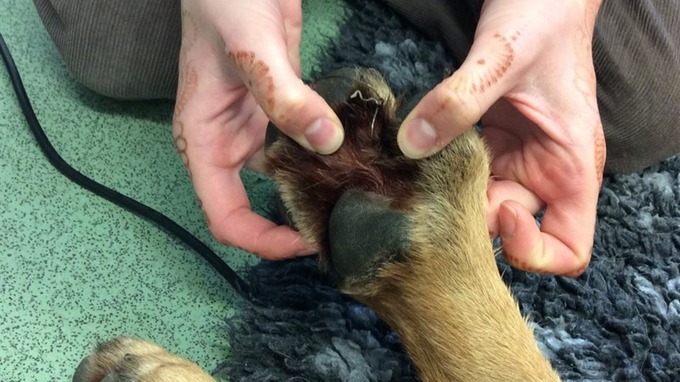
- If the hook is caught on a paw or lip, and if the dog lets you, cut the hook in half and push the sharp point forwards. Do not pull it back as the barb will catch the tissue. Be careful to not get bitten or hooked up. Regardless, if the hook is removed, seek veterinary attention, as a tetanus shot will be likely required, and a course of antibiotics may be needed.
Picture
Picture
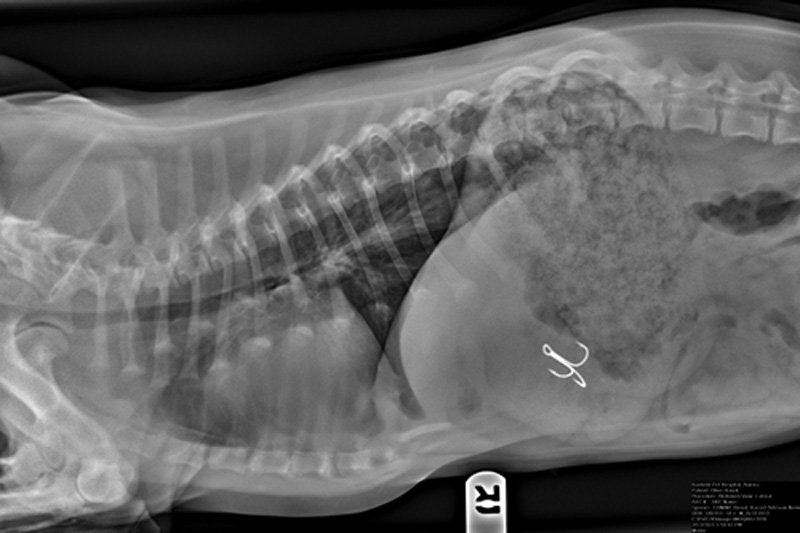
- If the hook is swallowed and there is no string coming out of the dog's mouth, give the dog food to help coat the hook. In some cases the hook will pass through its system and eventually out into the dog's poo. This should be done under veterinary monitoring and x-rays may be needed to monitor its progress. If it gets stuck, surgical removal may be required
- However, if there is string hanging out, this is a veterinary emergency. Whatever you do, DO NOT PULL THE STRING. Also do not cut the string. Under careful veterinary management, it is possible in most circumstances to remove the hook without the need for surgery (unless it is multiple barbs or hooks). The string
allows the vet to gently manipulate the hook from the dogs stomach using specialised equipment. If you happen to pull the string, it could lodge the hook in the stomach wall or even worse, the oesophagus which could lead to complicated surgery. So please leave the hook alone.

So hopefully this gives you a good guide if this emergency should ever occur, but avoidance is always the best option. So leave your beloved fur friend at home if you decide to go fisihing. Your dog will appreciate not having to be driven to the vet in the middle of the night, and it will be a lot more helpful on the hip pocket.
1 Comment

Protect Your Dogs This Fireworks Night

17/6/2015

1 Comment

 
Picture
Every year many dogs in the NT become terrified, destroy furniture in a blind panic or go missing on and around fireworks night. Most return or are found unharmed, but sadly each year some are never found.

Fortunately with a little bit of planning this is entirely preventable. If your dog is fearful, it is important to understand what you should do in the lead up to Territory Day so as to make sure your little furry friend can cope with the loud night.
Why are some dogs afraid and some are not?

Many dogs are terrified of loud noises such as thunder, or gunshots, some more than others. It is entirely natural to be a little fearful of loud noises as they often accompany danger (such as the roar of a lion). But if the reaction is excessive and there is no actual danger, then your dog can come into trouble. To some extent excessive fear is genetic, but it can also be learned if the fear-inducing noise originally accompanied a scary event.

And let’s face it, to many animals and even to us, fireworks are excessively loud, and scary. Not only that, they have strong smells and can even start fires which can accentuate these scary scenarios.
How do I know if my dog is fearful?

Most people will know if their dog is likely to be fearful at fireworks night and to what degree. If your dog is afraid of thunder or gunshots, or has been afraid of fireworks before, it will most likely be afraid of fireworks this time too. Often this fear is greater as generally fireworks are repetitive, close by, loud and inescapable.

Picture
What are the signs of fear / phobia of fireworks?

The signs of any loud noise phobia can vary. Sometimes they are mild. Sometimes the symptoms can be severe Different symptoms can include one or more of the following:

- Seeking attention
- Wanting to hide
- Shaking
- Freezing
- Some dogs will pace or run around
- Barking
- Urination
- Defaecation
- Self-trauma
- Destroying furniture or other household items
- Attempts to escape

We’ve even come across dogs that have thrown themselves through glass windows, dogs that have tried to dig through concrete floors. It can be quite distressing for many animals as well as the owners to witness their dog’s fears.
What should I do to help my dog?

Remember that although fireworks can only legally be set off on one night, they are often set off illegally on nights before and after so you need to plan ahead.

1. Provide a safe place: Make sure your dog has a safe and secure area to shelter in well ahead of time. Somewhere comfortable, with possibly a blanket to hide under. Often you may know your dog’s safe place.

Remember that a yard or area of a house that normally provides a secure area can be broken out of in a blind panic during fireworks. Dogs have been known to scale high fences and dive through glass windows when panicked. So careful planning is essential

2. Play familiar noises and block out vision of the fireworks: It can be helpful to drown out the loud noises by having the TV on or leaving a radio on. This may help relieve the incessant noises from outside. Also blocking the vision of fireworks may reduce the anticipation and association with these noises.

3. Keep an eye on your dog: It is preferable to have someone home with the dog to supervise and support them if at all possible. Comfort your dog if they require support. Otherwise, act happy and confident, and reward your dog for confident behaviour.

4. Most importantly, speak to your vet: If you know or suspect your dog will become afraid during this period, it is essential to have a talk to your vet. They may advise pheromone therapy or prescribing some sedatives or anti-anxiety medication for your dog. These are often essential for some animals and offer the safest, most effective way to get your dog through this period with as little stress and hassle as possible.
by Dr Alex Burleigh
Dr Alex Burleigh is based in Katherine, NT at Katherine Veterinary Clinic, part of Northern Territory Veterinary Services. He is a part owner and one of the senior veterinarians at both Katherine Veterinary Clinic and Alice Veterinary Centre. Dr Alex Burleigh is a published author with works appearing in veterinary texts, scientific journals and online websites. He consults regularly at both practices.
1 Comment

The Do’s and Don’ts of Heat Stroke

11/11/2014

 
by Dr Lauren Walter

It is the hot time of year again, and sadly, heat stroke (otherwise known as heat stress or exercise induced hyperthermia) is a real and potentially fatal risk to your pet. The most common heat stress situations occur when dogs are left in cars, worked in hot conditions, left unattended in yards with little shade, or when they knock their water over.

There are some dog breeds that are at increased risk of getting too hot. These are generally short-nosed breeds such as bulldogs and pugs, and those with underlying breathing difficulties. These dogs have problems because their main cooling method (ie. panting) is already compromised. And we also have to be careful of working dogs and mad ball chasers, which are very prone to heat stress if not given “rest breaks”.
Picture
It has been shown that on a 30’C day, the temperature in a parked car can reach 50’C in 5 minutes and over 70’C within 10 minutes! Leaving the windows ajar makes no difference to the temperature increase. Your dog’s normal temperature is between 38 and 39’C and they only have to reach 42’C to be at risk of dying.

Heat stroke is a very serious condition with many complications that requires aggressive intensive care. Unfortunately, many severely affected dogs do not recover.
Picture
But what should we do if the worst happens?
If you find your pet overheated, follow these simple guidelines to help maximize their chance of recovery:

Do
1. Immediately wet them down with cold water. Repeat frequently!! Hosing gently under the neck and belly between the legs can be effective. You can put your pet in a cold bath for a few minutes at a time. 
2. Take them to the vet ASAP. Time is of the essence!!
3. Wet them down for the journey. Windows down, fans full blast and air conditioning on.

If you are unable to come in immediately,
1. Move your animal to a cool shaded area with good air flow or inside in air-con or under a fan.
2. Wet down your animal. Place cool packs (or ice packs wrapped in towels) in armpits and groin areas.
3. If possible, Monitor their rectal temperature.


You must stop actively cooling once temperature reduces to 39.5’C. 
Animals that are over-cooled (become hypothermic) may have more complications.
Do NOT

1. Do NOT Cut their ears. Dogs can survive despite this common procedure, but it does nothing to help them.  It does not help to cool your dog at all!! In fact, the resultant blood loss can further reduce vital organ function and make things worse. Your pet is in a critical condition and may develop a bleeding disorder. More blood loss will not help!

2. Do NOT Cover them with towels, wet or otherwise. People often think this is the right thing to do. In fact, this can prevent proper convection cooling and actually trap the heat in.


So what should I do to help them in the future?

Do NOT Exercise dogs during the day in hot weather. Prevention is better than cure. In warm conditions, allow your pet to rest and cool every 30 minutes. Be particularly careful in humid weather as their normal panting (evaporative cooling system) is less effective. You cannot rely on them to tell you when they need a rest. 


Most importantly Do NOT put a recovered dog in a risky situation again. There can be permanent damage to the ‘heat centre’ of the brain from an episode of heat stress. Recovered animals remain at a higher risk of developing hyperthermia and hyopothermia in the future.

For further questions or queries, contact our vets at Katherine Veterinary Clinic, or Alice Veterinary Centre.

My pet is bleeding!! What should I do?

15/10/2014

6 Comments

 
Picture
by Dr Sophie Parratt

A common question I get from pet owners is ‘What do I do if my pet gets a cut or is injured? It is likely that one day your beloved friend is going to hurt themselves and in that instance to follow some basic steps will help to ensure that the wound heals well and your pet recovers properly.

Here are some tips for basic first aid and assessment.  

Don’t panic- if you become distressed you are going to be of no use to you pet, take a deep breath and think! This may help them keep calm too.  

1. Be careful-your pet is likely to be in pain, scared and therefore more likely to bite! You may want a muzzle when examining the wound- use a soft muzzle if you have one or a slip lead or bandage to gently tie their mouth. You may need an assistant to hold them to have a closer look.

2. Assess the wound and stop the bleeding. The principles are the same as in humans, steady pressure and elevate where possible. If bleeding is severe, apply firm pressure to the area with sterile gauze pad or a clean cloth. Do not lift the gauze or cloth to see if the bleeding has stopped- this will remove the blood clot that is forming underneath. If the wound bleeds through, apply another layer on top of the cloth/gauze already in place. Tourniquets are a last resort and must be loosened every few minutes to restore blood to the injured limb. Do not attempt to remove a protruding object from a wound!

3. Contact your vet, particularly if there is heavy bleeding, wound is large, deep or has anything imbedded in it. 

4. Make sure your animal is up to date with their tetanus shots

What about more serious wounds? Pig and dog fight wounds can be far more traumatic than they look. Often animals are shaken vigorously causing injury to tissues extending much further than the wound you can see. Puncture wounds might not look like much but a tooth or tusk will have left bacteria and foreign material inside the wound. This can cause severe infection, especially if the skin closes over before the underlying tissues have has a chance to heal. It is important that these injuries are explored thoroughly, and this requires a visit to the vet. 

Any further questions do no hesitate to contact us at either our Katherine or Alice Springs practices

6 Comments

    NT Vet Services News

    BOOK APPOINTMENT

    Categories

    All
    Anaesthesia
    Behaviour
    Cats
    Diseases
    Dog
    Dog Programs
    Emergencies
    Holidays
    Horses
    Indigenous Communities
    Injuries
    Parasites & Worms\
    Rabbits
    Surgery

    Archives

    March 2022
    March 2020
    June 2019
    March 2019
    September 2018
    July 2018
    February 2018
    March 2017
    February 2017
    May 2016
    January 2016
    June 2015
    January 2015
    November 2014
    October 2014

    RSS Feed

    Katherine Veterinary Clinic
    Alice Veterinary Centre
    Aboriginal Community Vets
    BOOK APPOINTMENT
Proudly powered by Weebly