The Best for your Pet in the Territory
Northern Territory Veterinary Services
  • Home
  • Katherine Veterinary Clinic
    • About Us
    • Small Animal Services
    • Equine Services
    • Livestock Services
    • Behaviour Services
    • Katherine Vets
    • Katherine Nurses
  • Alice Veterinary Centre
    • About Us
    • Small Animal Services
    • Equine Services
    • Livestock Services
    • Behaviour Services
    • Alice Vets
    • Alice Nurses & Reception
  • Aboriginal Community Veterinary Services
    • About Us
    • ACVS Services
    • ACVS Resources
    • ACVS Workshops
    • Volunteering
  • Remote Services
  • Pet Health Information
  • Reproductive Services
    • Equine Reproductive Services
  • Contact Us
  • Forms

Post Anaesthesia & Surgery FAQ

20/2/2018

0 Comments

 
By Dr Fiona Pearson
​Today is the day and your pet has come to us for their procedure, what now I hear you ask. Is it as simple as picking them up tonight? Not quite but luckily it isn’t too complicated. The answers to our frequently asked questions below should help you help your pet have the smoothest recovery. 

I dropped my pet off for their procedure this morning, when will I pick them up?

​We usually ask that you give us a call between 2-4pm to check how everything has gone and organise a time to come back in and pick up your pet. 

What should I have ready before I pick my pet up?

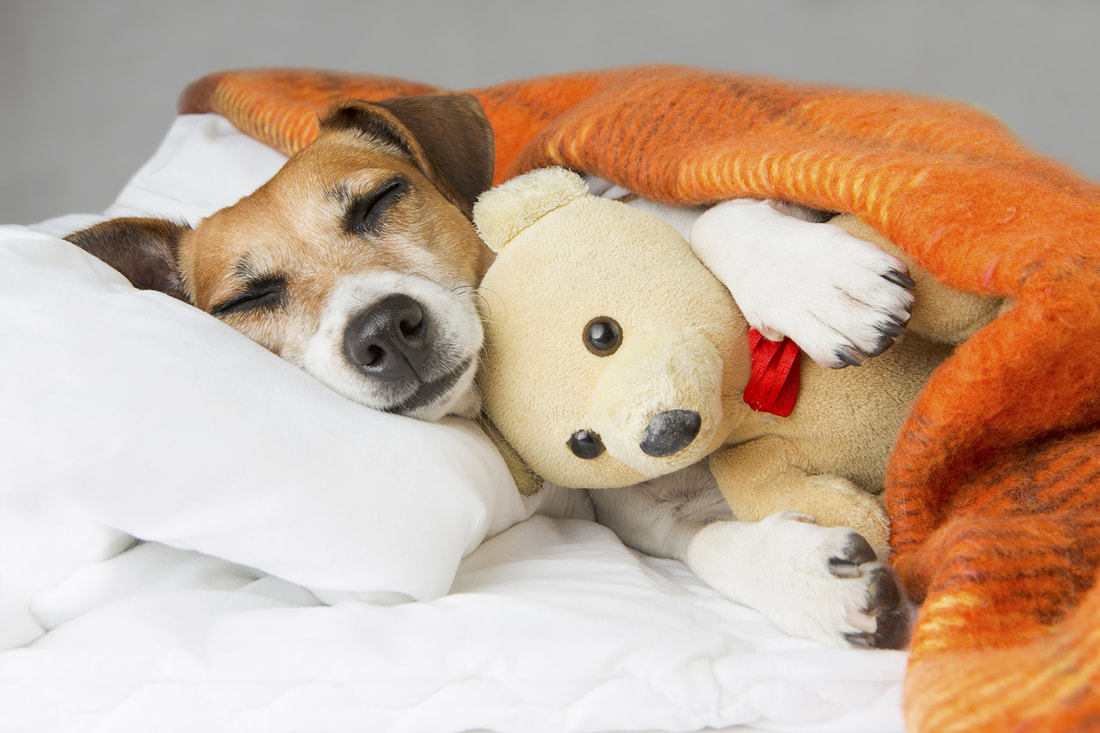
​It is a great idea to have a nice warm cosy indoor area at home set up for your pet before you come pick them up. Ideally you’ll also be able to keep them relatively confined here to stop them being too active during their recovery. Somewhere warm and quiet is great for them to come home to as they’re likely going to be tired from their big day at the vets!
Picture
Picture

What should I expect when my pet gets home?

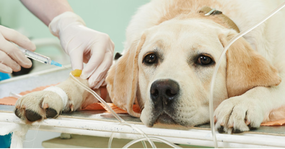
​Your pet will likely be quite sleepy, this is very normal after an anaesthetic as some of the drugs can take hours to completely wear off. They’ll also probably be missing some fur! If they’ve had surgery this area will be shaved and they may have a shaved forearm too. Their forearm is where we give some of the injections and place catheters into their veins. They might have a little bandage over it; this is fine to come off that night or the next day. 

Can I feed them dinner?

Sure can. Unless your vet has told you otherwise your pet 
is fine to have ​​some dinner a few hours after they get home. It’s a good idea to just give a small bland meal such as boiled chicken breast and cooked white rice or a small amount of their normal food. We don’t want them eating too much too quickly as there’s a chance they can make themselves sick. They should have access to water as soon as they get home. 

​Do they have to stay inside?

​Yes. Your pet should be kept inside at least overnight and depending on the procedure longer may be needed.  

My pet has a bit of a cough, should I be worried?

​Not necessarily. Your pet may have had a tube placed in their windpipe so we could give them a gaseous anaesthesia. Sometimes this causes a little bit of irritation, if this is the case the cough should only last a few days. If your pet’s cough lasts longer than this or they are otherwise unwell, such as they have lost their appetite, then you should contact your vet. 

My pet keeps licking at the wound and chewing their stitches?

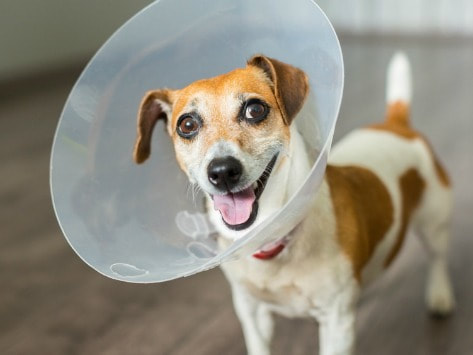
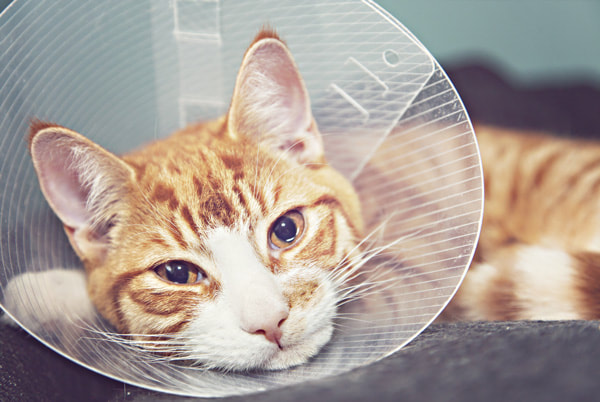
Unfortunately our pets don’t realise that licking at their wound isn’t going to help! In fact they risk pulling out their stitches or infecting the wound if they are licking or biting at it too much. If you see your pet repeatedly bothering their wound then they may need the dreaded cone around their head to stop this. Despite its reputation most pets actually quickly get used to this cone around their head and aren’t too bothered by it after a short period of adjusting. It’s a great way to protect their wound and protect you from an emergency trip to the vet because they’ve pulled their stitches out. Once it is on its better to leave it on rather  
Picture
Picture
than take it on and off again as that can be annoying for your pet and it also only takes a moment for them to go back to chewing. If you weren’t given an Elizabethan Collar (cone) at the time of discharge but your pet is chewing the wound call the clinic and organise to pick one up. ​

What should the wound look like?

The wound should be clean and pink to reddish pink in colour. Seeing a small amount of blood seep from the wound in the first 24 hours is no reason to panic, especially if your pet isn’t obeying the rest and recuperation order and is being quite active. Some bruising may develop over the first few days, this is also normal. Things that would make 
you worry and call your vet are: continuous bleeding or bleeding in a large volume, bleeding after 24hours post surgery, any large swelling, if the skin becomes very red and hot or any discharge especially if this looks like pus. ​

Do these stiches need to be taken out?

Usually yes. Most of the time they are removed in 10-14 days, check with your vet when is the most appropriate time for your pet as this will depend on the particular surgery they’ve had. 

How long do I need to keep my pet quiet for?

​It depends. This will be dictated by the procedure your pet has had. At least keep your pet quiet overnight to recover from the anaesthesia. If your pet has had surgery the extent of the operation will determine how long they should be quiet. 

I’m confused by the medications

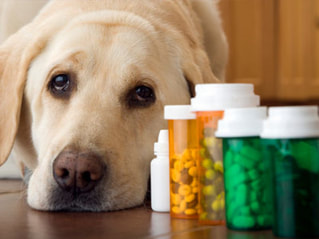
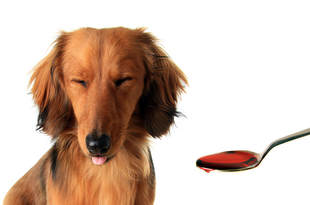
That’s okay. All your pets medications will have labels detailing how often they should be given and if they need to be given with food or not. Sometimes it helps to write them on the calendar if the frequency is going to change as it is important to get this right. If you’re still confused don’t hesitate to call your vet and confirm what you should be giving. This is better than giving the wrong thing!
Picture
0 Comments

Pre Anaesthesia & Surgery FAQ

20/2/2018

8 Comments


By Dr Fiona Pearson

​So your pet is booked in for a general anaesthetic, I’m sure you now have a few questions about what that means and what you need to do. There’s no need to be too worried, hopefully you can find all your answers below but if not don’t hesitate to give the clinic a call to ask any questions that you need.
Picture

Is it the same as when I have an anaesthetic?

​Similar yes! Many of the anaesthetics we use in animals are very similar if not the same to those used in people. There are differences in the protocols used but the concept is the same. 

What does an anaesthetic involve?

​An anaesthetic is when drugs are used to make your pet unconscious and unaware of what is happening. First we give your pet some drugs to make them relaxed and provide some pain relief in preparation for the procedure. The particular drugs 
and protocol used will then depend on what procedure your pet is getting. For longer procedures, your pet then gets a drug straight into the vein that makes them fall asleep so we can place a tube down their wind pipe to give them a gaseous anaesthetic. Shorter procedures just involve an injection into the muscle. ​

​Does my pet need to be fasted?

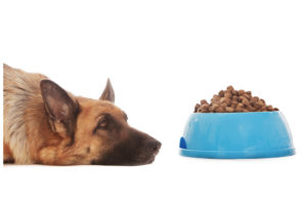
​Yes. Your pet can have dinner as normal the night before but after they’ve eaten take their food away so they don’t
Picture
have access to any food over night. Adult dogs should have no breakfast in the morning, but cats and young animals should have a small feed (unless your vet advises otherwise). And yes this includes treats too; we need them to have an empty stomach for the procedure to decrease the risk of regurgitation. They should still have access to water until 1 hour before they come in. This doesn’t however apply to rabbits or other small mammals which should not be fasted. 

Should I bath them before?

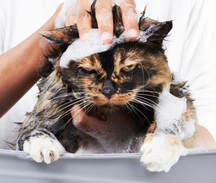
​Ideally your dog should have a bath sometime in the few days before surgery especially if they love rolling around in the mud. We want your pet as clean and dry as possible when they come to us to decrease the bacteria around that can potentially cause infection. Cats are usually great at keeping themselves clean so they don’t normally need a bath, phew!

What if they’re on long term medication, do I give this as normal?

Picture
​Your vet may or may not want you to give your pet its usual medication just before the procedure depending on what it’s on. Therefore if your pet is on long term medication make sure you check with your vet before if they want you to give it or not. 
Picture

I’ve been asked about pre-anaesthetic tests, why does my pet need these?

​We always recommend pre-anaesthetic blood tests to screen for some potential diseases that could make your pets procedure more risky. A really common disease up here is tick fever (Babesia and Anaplasma). Tick fever can 
decrease your pet’s red blood cells and or platelets and often they haven’t shown you any signs that they are sick! If your pet has tick fever, we can detect this with our pre-anaesthetic blood test and we would then recommend 
delaying the procedure if possible to treat this first so that your pet is a safer candidate for surgery. Depending on the age and health of your pet more extensive blood tests may be recommended as well as urine tests to evaluate your pet’s organ function prior to administering the anaesthetic drugs. Different drugs have different effects on your pets organs, particularly their liver and kidneys so knowing of any pre-existing disease allows us to design the safest possible protocol. ​​

It is the morning of their procedure, what do I do?

​We admit patients for procedures between 8am and 9am so bring your pet down between these times. Make sure you dog has been for a toilet walk before hand and be prepared to stay for a little while when you drop your pet as the nurses will have a couple of questions for you. It’s really important that if your pet has been unwell at all in the days leading up to the procedure that you let us know. Sometimes we might feel it is safest to delay the procedure if your pet has been unwell. 

Is it safe?

​There is a very small inherent risk associated with any anaesthesia, just as there is with people. The more details we have about your pet’s health on the day of the procedure the safer we can make it for your pet. Having said that the vast majority of procedures go really well and you shouldn’t be spending the whole day worrying. Monitoring your pet during the anaesthesia allows us to adjust what we’re doing to your pet’s individual needs.

When will I hear how the procedure has gone?

​We usually ask that you give us a call between 2-4pm to check how everything has gone and organise a time to come back in and pick up your pet. 
8 Comments

    NT Vet Services News

    BOOK APPOINTMENT

    Categories

    All
    Anaesthesia
    Behaviour
    Cats
    Diseases
    Dog
    Dog Programs
    Emergencies
    Holidays
    Horses
    Indigenous Communities
    Injuries
    Parasites & Worms\
    Rabbits
    Surgery

    Archives

    March 2022
    March 2020
    June 2019
    March 2019
    September 2018
    July 2018
    February 2018
    March 2017
    February 2017
    May 2016
    January 2016
    June 2015
    January 2015
    November 2014
    October 2014

    RSS Feed

    Katherine Veterinary Clinic
    Alice Veterinary Centre
    Aboriginal Community Vets
    BOOK APPOINTMENT
Proudly powered by Weebly